Mukuru slums, located in Nairobi, are one of the city’s largest informal settlements. Mukuru is a collection of slums that includes Mukuru Kwa-Njenga, Mukuru Kwa-Reuben, Kware, Sinai, and Kayaba.
It houses approximately 1,000,000 people within just 36 square miles. The area’s history is rooted in the transformation of a disused quarry into a landfill, which ultimately laid the foundation for the settlement’s growth.
Over time, hazardous crevices filled with garbage became the base for makeshift homes, and what began as a small community of displaced individuals has since expanded into a sprawling urban area divided into eight townships.
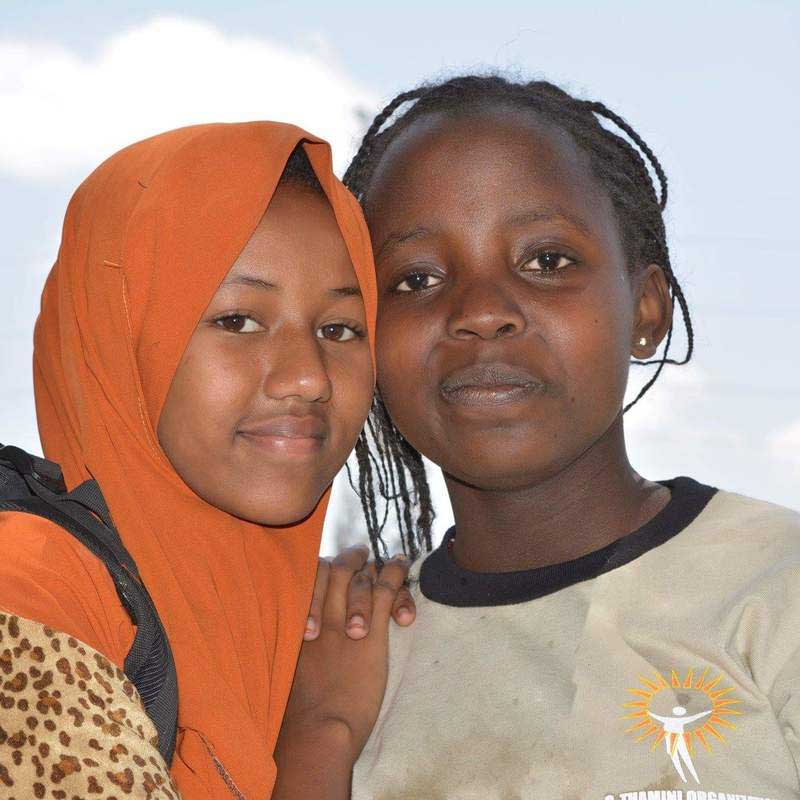
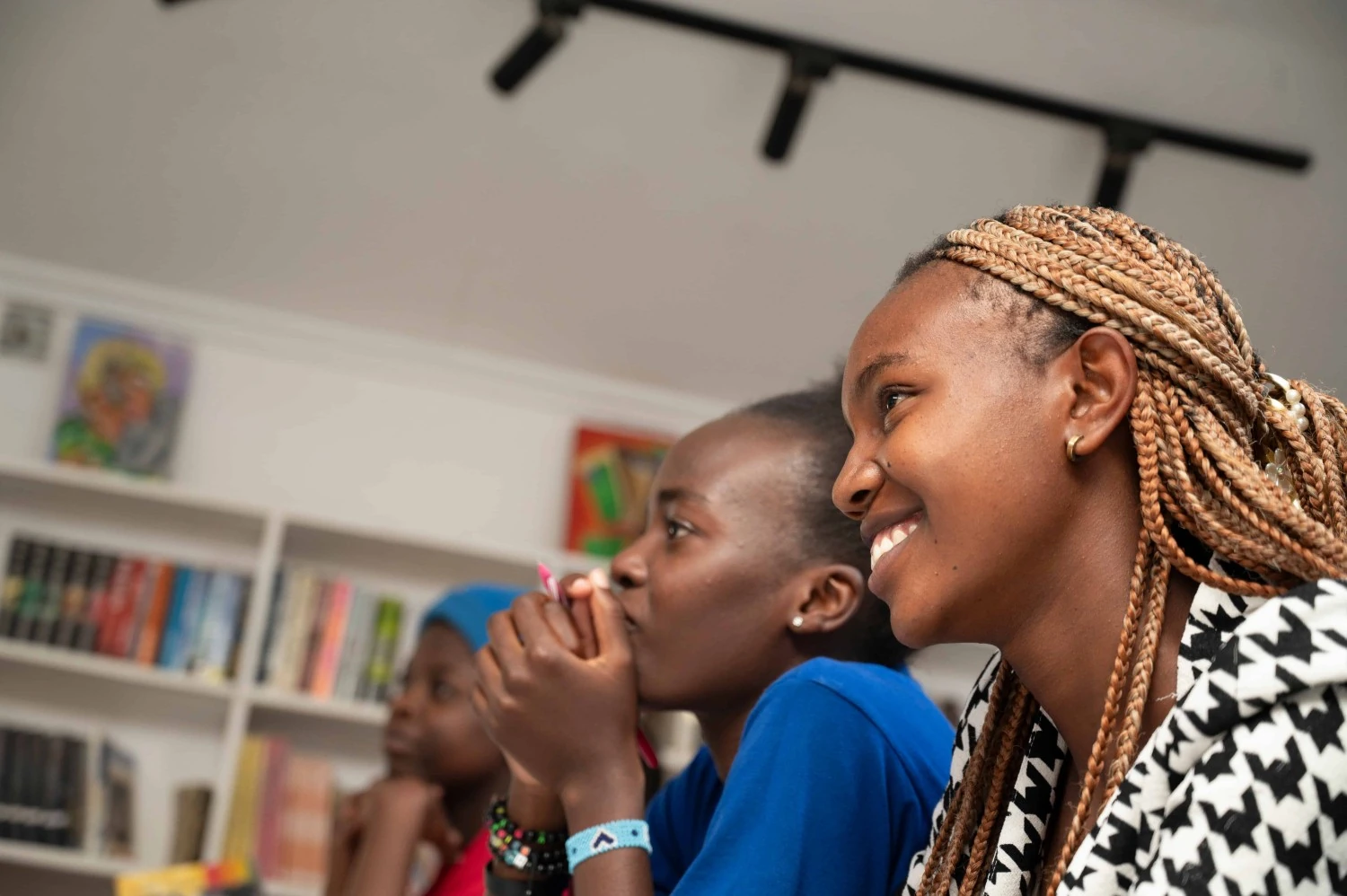
One such organization is the G-Thamini Youth Group, which was established by local residents with the goal of empowering the youth of Mukuru. Focused on education, mentorship, and skill-building, G-Thamini aims to provide the community’s young people with a sense of hope and purpose. Through programs like Teen Talk, Sister Circleand creative workshops, G-Thamini provides the youth with the tools needed to overcome adversity and become leaders in their own right. These initiatives are designed not only to enhance the personal development of Mukuru’s youth but also to inspire them to give back to their community. By fostering a generation of leaders committed to sustainable change, G-Thamini is helping to build a brighter future for Mukuru.
Living Conditions in Mukuru
Today, Mukuru’s residents face numerous challenges that come with living in an overcrowded, underdeveloped environment. Most dwellings are made from discarded materials such as wood, metal, and plastic, which provide little protection against the elements.
The settlement struggles with poor sanitation, overcrowding, and high crime rates, making daily life difficult for its inhabitants. One of the most pressing issues is the lack of reliable access to clean water and waste management systems, which leads to a variety of health concerns, especially among children.
Contaminated water sources, improper sewage systems, and the close proximity of homes contribute to the spread of diseases. These environmental challenges exacerbate the hardships already faced by the community. However, despite these dire circumstances, Mukuru remains a place of resilience and hope, where local organizations are determined to create positive change from within.
Looking Towards the Future
Mukuru’s story is one of immense resilience and strength. While the community faces considerable challenges, the work of grassroots organizations like G-Thamini shows that transformation is possible. With continued support and collaboration, Mukuru can evolve into a thriving, sustainable community where opportunities for growth, health, and well-being are accessible to all its residents.